I learned about inflation the hard way—not from a textbook, but from watching a king salmon that sold for $8 a pound in my village turn into a $20-per-pound luxury by the time I left Alaska. The fish didn’t get rarer. The dollar got cheaper. And that lesson, earned on the docks at 4 AM, taught me more about economics than any university course ever could.
Here’s the thing about Austrian economics: it’s not some dusty academic theory. It’s the closest thing we have to understanding how money actually works when nobody’s manipulating it. And in 2026, with the Fed still playing puppet master with interest rates and politicians promising to spend us into prosperity, that understanding isn’t just useful—it’s essential.
The Austrian School: Economics for the Real World
Austrian economics gets its name from a group of economists in late 19th-century Austria, but its principles are timeless. Unlike mainstream Keynesian economics, which treats the economy like a machine that bureaucrats can fine-tune, Austrian theory recognizes something revolutionary: economies are made up of actual human beings making choices.
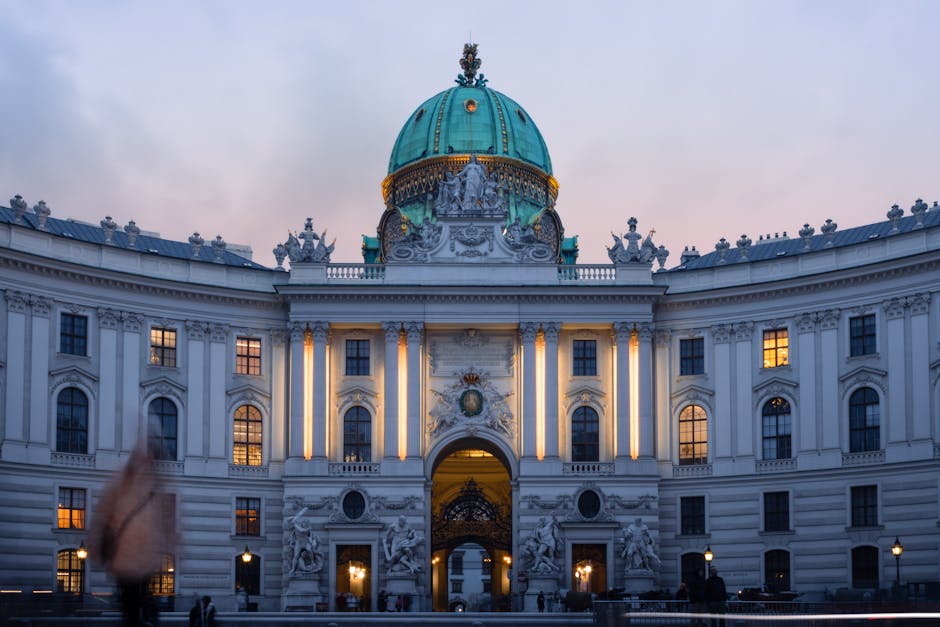
Ludwig von Mises, Friedrich Hayek, and Murray Rothbard didn’t build their theories on mathematical models that assume perfect information and rational actors. They built them on praxeology—the logic of human action. They understood that when you manipulate interest rates, you’re not adjusting dials on a dashboard. You’re distorting the signals that millions of people use to make decisions about saving, investing, and consuming.
“The curious task of economics is to demonstrate to men how little they really know about what they imagine they can design.” – Friedrich Hayek
This isn’t abstract philosophy. When I was selling smartphones in 2007, I watched the housing bubble inflate in real time. People were buying houses they couldn’t afford with money that didn’t really exist, all because artificially low interest rates made everything look profitable. The Austrians predicted this mess decades before it happened.
Sound Money: The Foundation of Real Prosperity
Sound money is simple in concept but revolutionary in practice: money that holds its value over time and can’t be manipulated by central authorities. Think gold standard, not Federal Reserve notes backed by promises and good intentions.

During my Navy years, I watched sailors blow their entire paychecks in port because they knew their dollars were losing value just sitting in savings accounts. Meanwhile, the smart ones were buying silver coins and real assets. They understood intuitively what Austrian theory explains systematically: when money is unsound, consumption wins over saving.
Sound money does more than preserve wealth—it preserves the price signals that coordinate economic activity. When prices can fluctuate naturally based on supply and demand, they tell entrepreneurs where resources are needed most. When central banks manipulate interest rates and inflate the money supply, they scramble these signals like a radio jammer.
The Hidden Tax Nobody Talks About
Here’s what they don’t teach you in school: inflation is taxation without representation. When the Fed creates new dollars out of thin air, they dilute the value of every dollar you already own. It’s the most regressive tax possible because it hits the poor and middle class hardest while the wealthy escape to assets that rise with inflation.
I learned this lesson personally when my daughter needed her heart transplant. The medical bills that would have been manageable in my father’s generation had inflated to bankruptcy levels. The dollars I’d earned fishing and working construction had been systematically devalued by decades of monetary manipulation.
“Inflation is the one form of taxation that can be imposed without legislation.” – Milton Friedman (who wasn’t Austrian but got this part right)
The Austrian school explains why this happens: artificially expanding the money supply doesn’t create wealth—it redistributes it. The first recipients of new money (banks, government, large corporations) benefit from spending it before prices rise. Everyone else pays the bill through higher costs of living.
Why Austrian Theory Matters More Than Ever in 2026
Look around. We’re living through the exact scenarios Austrian economists warned about for decades. Massive government debt, asset bubbles, wealth inequality driven by monetary policy, and an economy increasingly dependent on artificial stimulus.

The response from mainstream economics? More of the same. Lower interest rates, more quantitative easing, more government spending. It’s like treating a hangover with more alcohol—it might feel better temporarily, but you’re making the underlying problem worse.
Austrian theory offers a different path: let markets clear, let prices adjust, let malinvestments fail, and return to sound money that can’t be manipulated by political interests. Yes, it means short-term pain. But it also means sustainable prosperity instead of boom-bust cycles.
This isn’t about going back to the 19th century. It’s about applying timeless principles to modern challenges. Technology makes Austrian insights more relevant, not less. Cryptocurrency, decentralized finance, and global markets all validate Austrian predictions about how people behave when free from central control.
Your Path Forward in an Unsound Money World
You can’t single-handedly return America to the gold standard, but you can protect yourself and your family from unsound money policies. The Austrians don’t just diagnose the problem—they provide the framework for individual action.
Understand the difference between money and currency. Build wealth in assets that can’t be inflated away. Develop skills that remain valuable regardless of monetary policy. Think like an entrepreneur, not an employee dependent on nominal wages that lose purchasing power.
Most importantly, educate yourself. Read Mises, Hayek, and Rothbard—not because they have all the answers, but because they ask the right questions. Economics isn’t about graphs and equations; it’s about human action and the consequences of interfering with voluntary exchange.
The sound money revolution won’t come from Washington. It’ll come from individuals who understand that real prosperity flows from production, saving, and voluntary exchange—not from printing presses and political promises. In a world of unsound money, understanding Austrian economics isn’t just intellectually satisfying. It’s your financial life raft in a sea of monetary chaos.
The fish are still swimming in Alaska. The dollars chasing them just keep getting weaker. But now you know why—and more importantly, you know what to do about it.
 Scrivener.PRO