Here’s the thing about Linux development in 2026: while everyone’s obsessing over AI and the latest shiny frameworks, the real work happens in the shadows. Valve engineers fixing graphics drivers for hardware companies abandoned. Kernel developers solving container performance problems most users don’t even know they have. Mozilla finally acknowledging that not everyone runs Debian.
These aren’t the headlines that get clicks, but they’re the changes that make your system actually work better. Let’s dig into what’s really moving the needle.
Valve Resurrects the GPU Graveyard
Remember that old Radeon you thought was dead weight? Valve’s Timur Kristóf has been quietly breathing life back into ancient GCN 1.0 and 1.1 GPUs through AMDGPU driver improvements. We’re talking Southern Islands and Sea Islands hardware—stuff from 2012 that AMD would prefer you forgot about.
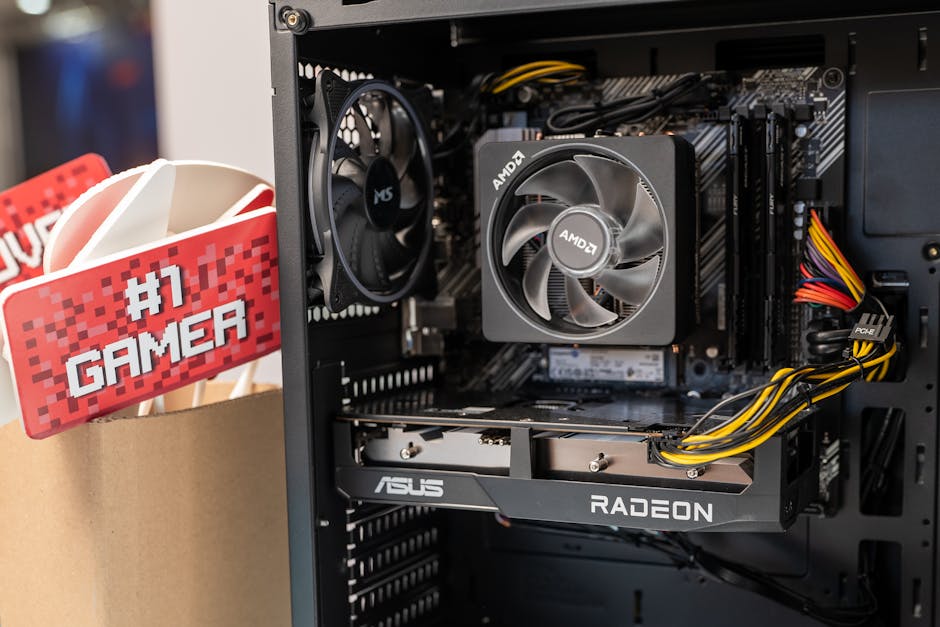
The kicker? Starting with Linux 6.19, AMDGPU became the default driver for this hardware. That’s not just a checkbox change—it’s better power management, more stable performance, and features that the old radeon driver never dreamed of.
This is what happens when a company actually needs hardware to work rather than just selling new hardware. Valve’s Steam Deck success depends on squeezing performance from every GPU configuration their users throw at them. The result? Your “obsolete” graphics card just got a second life.
“When profit motive aligns with user benefit, magic happens. Valve needs your old hardware to work, so it does.”
Container Performance Gets a Kernel-Level Boost
The upcoming Linux 7.0 kernel is bringing OPEN_TREE_NAMESPACE support, and if you’re running containers at scale, you should care. This isn’t sexy infrastructure—it’s plumbing. But it’s the kind of plumbing that makes your entire stack run faster.
The technical details involve namespace handling and filesystem operations, but here’s what matters: container startup times improve, resource overhead drops, and security isolation gets tighter. It’s the kind of improvement that shows up in your monitoring dashboards without you doing anything.

Firefox Nightly Finally Speaks RPM
Mozilla took their sweet time, but Firefox Nightly builds are finally available as proper RPM packages. After providing Debian packages since late 2023, someone finally pointed out that Red Hat-based distros exist.
This might seem trivial—just download a tarball, right? But anyone who’s managed Firefox updates across a fleet of CentOS or RHEL boxes knows the pain. Proper package management means automatic updates, dependency handling, and integration with your existing patch management workflow.
It’s a small thing that makes a big difference for anyone running Firefox Nightly in enterprise environments or just wanting their bleeding-edge browser to play nice with dnf.
Multi-Core Networking Gets Smarter
CAKE_MQ is heading into Linux 7.0, bringing the SCH_CAKE network scheduler into the multi-core era. The original CAKE (Common Applications Kept Enhanced) scheduler was brilliant for single-core scenarios but started showing its age as everything went multi-threaded.
The multi-queue variant adapts to today’s reality: multiple CPU cores, multiple network queues, and workloads that don’t fit the old single-threaded assumptions. If you’re running high-throughput networking or dealing with bufferbloat issues, this is the kind of low-level improvement that fixes problems you might not even realize you have.

Look, most users won’t notice this directly. But network responsiveness under load? Gaming latency during downloads? Video conferencing quality when someone else is backing up to the cloud? Those improvements will be real and measurable.
The Real Story: Linux Just Works Better
These aren’t revolutionary changes. There’s no marketing campaign, no launch event, no influencer unboxing videos. Just engineers solving actual problems for people who use computers to get work done.
Valve fixes old GPUs because their customers have old GPUs. Kernel developers optimize container performance because containers are how modern applications deploy. Mozilla packages Firefox properly because system administrators deserve tools that don’t fight the package manager.
That’s the Linux way: identify the problem, fix the problem, ship the fix. No subscription required, no vendor lock-in, no artificial limitations to drive upgrade cycles.
“The best technology improvements are invisible until you need them. Then they’re everything.”
Here’s what this means for you: that old gaming rig might have more life left in it. Your container orchestration is about to get more efficient. Your browser updates just became less of a headache. And your network stack is learning to use all those CPU cores you paid for.
None of these changes will make headlines in mainstream tech media. They’re not disruptive or revolutionary. They’re just better. Sometimes that’s exactly what you need.
The real question is: when was the last time your operating system got better without asking for more money, more data, or more control over your computing experience? Because that just happened. Again.
 Scrivener.PRO