Your company just got its third AI vendor pitch this week. The sales team promises miraculous productivity gains, seamless integration, and enterprise-grade security. What they don’t mention is that you’re signing up to rent intelligence by the token.
Here’s the thing about AI vendors: they’re not selling you tools. They’re selling you dependency. Every API call is a toll. Every prompt is metered. Every model update happens on their timeline, not yours.
But there’s another path—one that most CIOs haven’t seriously considered yet. Running AI locally isn’t just possible in 2026; it’s becoming the obvious choice for anyone who values control over convenience.
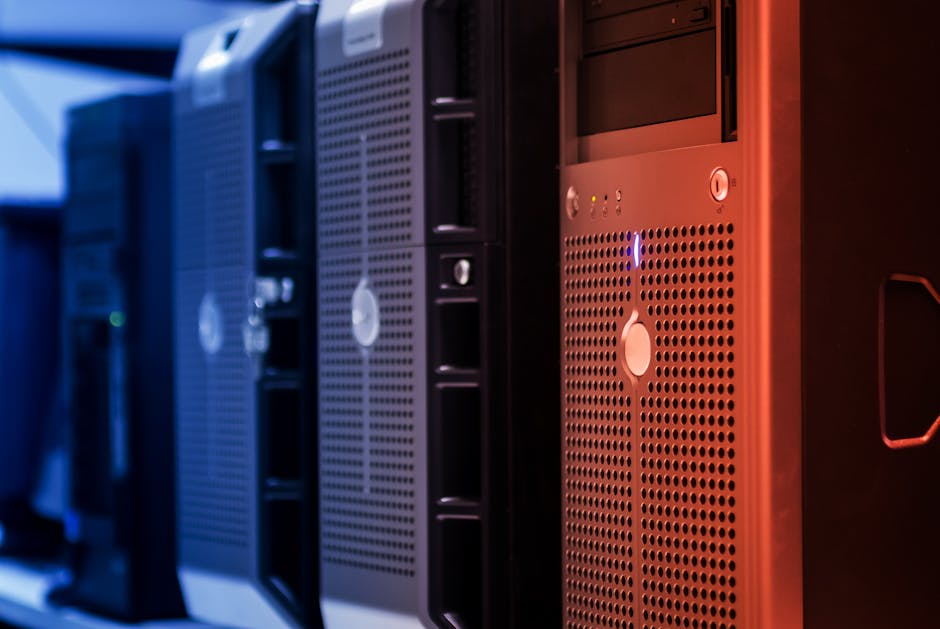
The Cloud AI Trap: When Convenience Becomes Dependency
Look, I get the appeal of cloud AI. Upload your data, get magic back. No hardware to manage, no models to tune. It’s like having a genius intern who never sleeps and never asks for a raise.
Until your internet goes down. Or the API hits rate limits during your busiest hour. Or your competitor starts using the same service and suddenly you’re both paying rent to the same digital landlord.
The 4,000-person AI rollout at Citi sounds impressive until you realize they’re essentially training their workforce to be really good customers of someone else’s intelligence service. That’s not transformation—that’s subscription dependency with a corporate learning curve.
Every dollar spent on cloud AI is a vote for someone else to control your company’s cognitive infrastructure.
The math gets ugly fast. A mid-size company processing documents through OpenAI’s API might burn $50,000 monthly on tokens. Multiply that by twelve months, then by every year you plan to stay in business. Now ask yourself: what could you build with that money instead?
Local AI: Your Hardware, Your Rules, Your Timeline
Running AI locally means exactly what it sounds like: the model lives on your hardware, processes your data without phone-home requirements, and responds to your priorities instead of a vendor’s API quotas.
The hardware barrier that existed two years ago? Gone. A decent server with 128GB RAM and a modern GPU can run models that would have required supercomputer access in 2023. We’re talking about language models with 70+ billion parameters running at reasonable speeds on equipment you can order today.
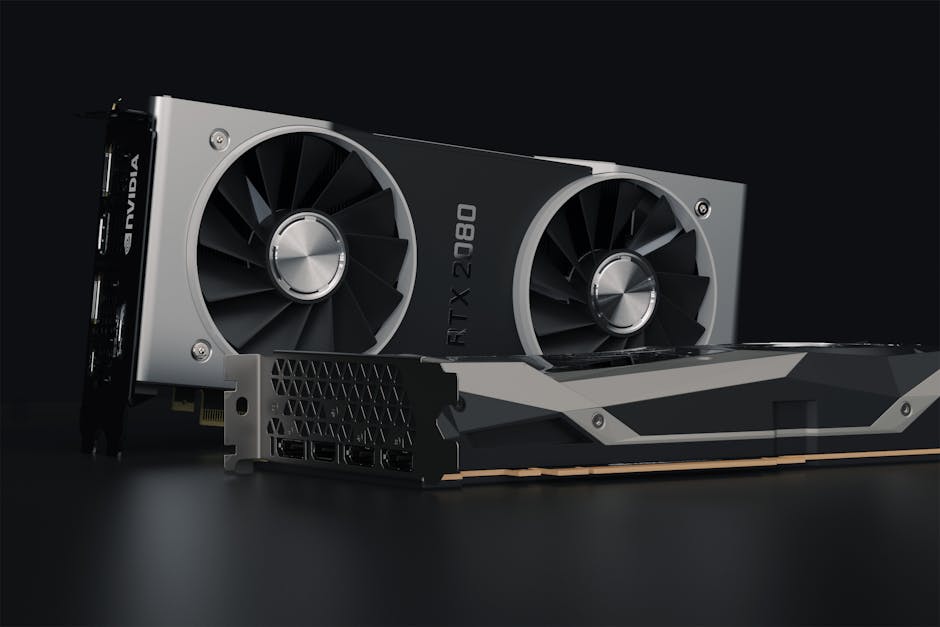
The setup isn’t rocket science either. Tools like Ollama, LocalAI, and OpenWebUI have turned model deployment into something closer to installing a database than building a research lab. Download a model, point your applications at localhost instead of api.openai.com, and suddenly you’re processing sensitive data without it leaving your network.
The Real Cost of AI Independence
Let’s talk numbers because that’s where most local AI conversations die. The upfront hardware cost looks scary until you compare it to subscription fees over time.
A solid local AI setup—server, GPU, storage—runs about $15,000-30,000 depending on performance requirements. That sounds like a lot until you realize most companies spend that much on cloud AI in six months.
But cost isn’t the real argument. Control is.
When you run AI locally, your competitive intelligence doesn’t train someone else’s model. Your customer data doesn’t get “analyzed for service improvement.” Your proprietary processes don’t become part of a vendor’s next product release.
The question isn’t whether you can afford to run AI locally. The question is whether you can afford not to.
Think about what Fresenius and SAP are building—a sovereign AI backbone for healthcare. They understand that medical data can’t be treated like marketing copy. It needs to stay local, secure, and under direct organizational control.
Getting Started: The Practical Path to AI Independence
Most organizations approach local AI like they’re building a moon rocket. They’re not. You’re installing software on better hardware.
Start small. Pick one use case—document summarization, code review, customer inquiry routing—and run it locally for a month. Compare the results, response times, and total cost to your current cloud solution.
Hardware-wise, you don’t need a data center. A single powerful workstation can handle significant AI workloads. Scale up as you prove value, not as you chase theoretical capacity.
The learning curve exists, but it’s not steep. If your team can manage databases and web services, they can manage local AI. The concepts transfer; the vendor dependency doesn’t.
The Future Belongs to Digital Independence
Here’s what I see happening in 2026: companies that went all-in on cloud AI are discovering the hidden costs. Not just financial costs, but strategic ones. They’ve outsourced their cognitive infrastructure to vendors who can change terms, raise prices, or pivot focus at any time.
Meanwhile, the quiet revolution is happening in server rooms and on workstations. Organizations are discovering they can run sophisticated AI workloads locally, maintain complete control over their data, and build institutional knowledge instead of vendor dependency.
The Gates Foundation testing AI in African healthcare understands this instinctively—local deployment, local control, local benefit. When infrastructure is unreliable, local becomes essential.
Same rules for everyone. That includes AI providers. If they want your business, make them compete on value, not dependency. If they want your data, make them prove why their servers are better than yours.
The real question isn’t whether local AI will become mainstream. It’s whether you’ll be early or late to the party. Because while your competitors are paying rent on intelligence, you could be building equity in it.
What’s stopping you from downloading your first local model today?
 Scrivener.PRO