The thrift store shopper walks out with a $4.99 Radeon RX 5700 XT in one hand and a knowing smile on their face. Meanwhile, someone else just got scammed out of three grand on an RTX 5090 that turned out to be a box of rocks.
Welcome to hardware acquisition in 2026, where finding capable equipment on a budget has become part treasure hunt, part chess game, and part exercise in understanding what you actually need versus what the marketing tells you to want.
The Reality Check: What “Capable” Really Means
Look, I’ve debugged systems running on hardware that would make modern enthusiasts weep—and they performed their jobs flawlessly. The first lesson in budget hardware is defining your actual requirements, not your Instagram-worthy aspirations.
That $229 LG UltraGear monitor making headlines? It’s delivering 300 Hz at 1440p for less than what people paid for basic 1080p panels just a few years ago. The question isn’t whether it’s “good enough”—it’s whether you need 300 Hz for your use case or if you’re paying for bragging rights.

“Capable hardware” isn’t about having the latest and greatest—it’s about having hardware that doesn’t become the bottleneck in your workflow.
AMD’s new data on their X3D processors tells a revealing story: the performance difference between expensive DDR5-6000 and budget DDR5-4800 is roughly 1% in real-world gaming. That’s hundreds of dollars in savings for essentially identical performance.
The real question becomes: what problems are you actually trying to solve?
The Goldilocks Zone: Finding Your Performance Sweet Spot
Every component category has a sweet spot where price and performance intersect optimally. In 2026, these zones have shifted dramatically due to AI demand and supply chain realities.
For CPUs, last-generation flagship chips often deliver 90% of current-gen performance at 60% of the price. That Ryzen 7 5800X3D that was $400 at launch? It’s handling modern games beautifully at sub-$200 prices.

Graphics cards present the biggest challenge. The thrift store RX 5700 XT story isn’t just lucky—it’s strategic. While everyone chases RTX 4090s and the mythical RTX 5090s, plenty of capable GPUs are being overlooked.
Memory and storage have their own economics. That RAM crisis everyone’s panicking about? It’s real for cutting-edge builds, but last-gen DDR4 systems still handle everything most people throw at them.
The Underground Economy: Where Smart Money Shops
The savvy hardware hunter operates in multiple markets simultaneously. Retail is just one option, often the worst one.
Corporate lease returns flood the market quarterly. These machines ran spreadsheets and PowerPoint presentations—hardly the torture test enthusiasts imagine. A three-year-old Dell Precision with a Xeon and Quadro card often outperforms a budget gaming build at half the cost.
The modding community has learned to think beyond intended use cases. That Reddit user who hacked a car amplifier into an RTX 3080 heatsink didn’t just get better cooling—they demonstrated that effective solutions don’t require boutique parts.
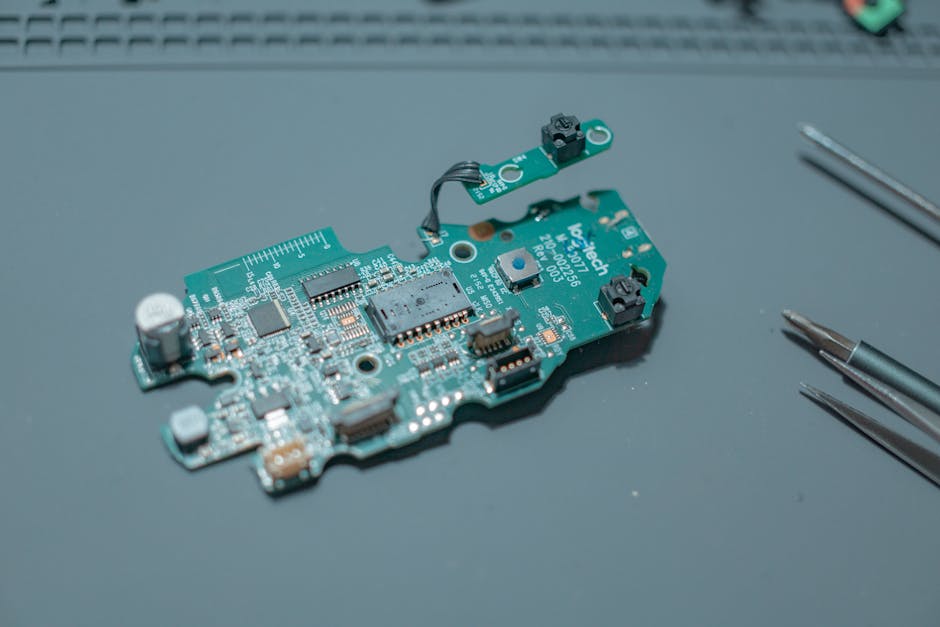
Local repair shops see more hardware pass through in a month than most people buy in a decade. Building relationships here pays dividends. They know which components fail and which keep running, which brands to trust and which to avoid.
The key insight: capable hardware exists at every price point if you know where to look and what to look for.
The Build Philosophy: Upgradeability Over Peak Performance
Here’s what the enthusiast press won’t tell you: the most capable budget system isn’t the one with the highest benchmark scores on day one. It’s the one that can evolve with your needs without requiring complete replacement.
Smart builders prioritize platforms with upgrade paths. That B550 motherboard supporting both current and next-gen processors? That’s not future-proofing—that’s acknowledging that your needs will change.
The modular approach works. Start with capable basics: solid power supply, good case airflow, motherboard with room to grow. Add performance components as budget allows and requirements demand.
The best hardware upgrade is often the one you don’t need because you built smart the first time.
This philosophy extends to peripherals. That monitor deal making headlines represents a fundamental shift—high refresh rates are becoming standard, not premium features. But if you’re doing productivity work, resolution and color accuracy matter more than refresh rates.
The Real Cost of Hardware Decisions
Every dollar spent on unnecessarily high-end components is a dollar not available for the components that actually matter for your workload. This isn’t about being cheap—it’s about being strategic.
The RTX 5090 scam story illustrates a deeper truth: desperation makes people vulnerable. When you’ve convinced yourself you “need” the latest and greatest, you stop making rational decisions.
The most capable budget builds often outperform expensive ones because they’re designed around actual use cases, not theoretical benchmarks. The person who bought that $5 RX 5700 XT and paired it with appropriate components will likely have a more satisfying experience than someone who blew their entire budget on a single flagship GPU.
Same rules for everyone applies here: physics doesn’t care how much you spent. A well-configured budget system can outperform a poorly planned expensive one.
The real question isn’t whether you can afford the hardware you want—it’s whether you can afford to keep making decisions based on what you think you should want instead of what you actually need.
What problems are you really trying to solve with your next build?
 Scrivener.PRO