Back in my Navy days, I watched a brilliant machinist get passed over for promotion because he hadn’t kissed the right rings. Meanwhile, incompetent officers sailed through the ranks because they played the game. Traditional publishing works the same way—it’s not about your book, it’s about fitting their system.
Self-publishing in 2026 isn’t just an alternative to the old gatekeepers. It’s freedom tech for writers. Same rules for everyone: write well, serve readers, build trust. No permission slips required.
The Gatekeeper Game Is Rigged
Traditional publishers operate on artificial scarcity. Physical shelf space created natural bottlenecks—you needed someone to decide which books got printed and distributed. Made sense when printing presses cost millions and bookstores had limited real estate.
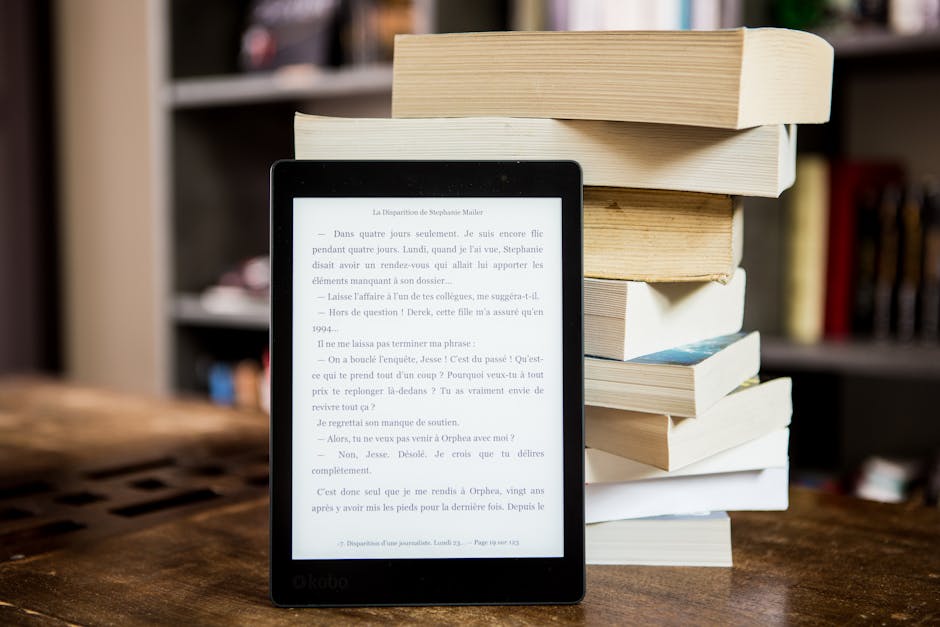
That world died twenty years ago, but the industry kept pretending otherwise. Now we have infinite digital shelf space, global distribution networks, and print-on-demand technology. The scarcity is manufactured.
Here’s the real scam: traditional publishers aren’t gatekeepers anymore—they’re landlords. They own the distribution channels, take 85-90% of the revenue, and tell you it’s for your own good. Classic protection racket behavior.
“In 2025, indie authors collectively earned more than all traditionally published authors combined. The revolution already happened. Most people just haven’t noticed.”
Publishers don’t develop talent—they exploit it. They cherry-pick authors who’ve already proven themselves, then claim credit for the success. It’s like venture capital for books, except with worse terms and more condescending attitudes.
Self-Publishing: Building Your Own Distribution Network
Think of self-publishing like building your own server infrastructure instead of renting from AWS. More work upfront, but you own the stack. No platform risk. No arbitrary rule changes. No taking your ball and going home when they change terms.

The infrastructure already exists. Amazon’s KDP for ebooks and paperbacks. IngramSpark for wide distribution. Draft2Digital for multi-platform management. These are tools, not masters. Use them strategically.
Quality control becomes your responsibility. That’s not a bug—that’s the feature. You decide when your work is ready. You set the price. You choose the cover. You write the book description. Every decision flows from one question: does this serve my readers?
The skill stack isn’t trivial: writing, editing, design, marketing, business operations. But neither is being a cloud engineer, and people learn that every day. The difference? Self-publishing skills compound across every book you write.
The Long Game: Building Reader Relationships
Traditional publishing optimizes for one-time transactions. Get the book into stores, hope someone buys it, move to the next project. It’s batch processing for creativity.
Self-publishing is relationship architecture. You’re not selling a book—you’re building trust with humans who share your interests. Every reader becomes a potential advocate. Every book becomes evidence of your competence.

This is where most self-published authors go wrong. They think publishing is the finish line. Publishing is installing the software—now you have to run the service. Readers don’t care about your publication method. They care about getting value for their time and money.
Direct reader relationships change everything. You know who’s buying your books. You can email them when the next one comes out. You can ask what they want to read next. Try getting that data from Barnes & Noble.
“The best business model is solving the same problem for the same people, better, over time. Books are just the delivery mechanism.”
The Technical Reality of Going Independent
Let’s talk actual implementation. Self-publishing isn’t magic—it’s a skill stack you can learn systematically.
Writing and Production: Scrivener for drafting, Grammarly for initial cleanup, professional editors for developmental and copy editing. Don’t skip the editors—your friends won’t tell you when your dialogue sounds like robots talking.
Design and Formatting: Canva or Adobe Creative Suite for covers, Atticus or Vellum for interior formatting. Good design isn’t subjective—it signals professionalism to readers browsing at thumbnail size.
Distribution: KDP for Amazon, IngramSpark for print distribution, Draft2Digital for other ebook retailers. Each platform has its quirks, but the basics are standardized.
Marketing: Email lists through ConvertKit or Mailchimp, social media presence, book launch strategies. Marketing isn’t selling—it’s making sure the right readers know your book exists.
The learning curve is real but manageable. Most skills transfer between books. The first one teaches you the process—subsequent books benefit from everything you learned.
Freedom Has Responsibilities
Here’s what the self-publishing evangelists don’t tell you: freedom means you own the results. No publisher to blame when books don’t sell. No marketing department to handle promotion. No advance to cover your time while you write.
You become the CEO of a one-person media company. That means understanding profit and loss, customer acquisition costs, lifetime value calculations. Basic business literacy isn’t optional.
The flip side? Every dollar your books earn belongs to you. Every reader relationship is yours to maintain. Every creative decision flows from your vision, not committee consensus.
Most self-published authors fail because they want the freedom without the responsibility. They publish one book, do minimal marketing, then complain the system doesn’t work. The system works fine—it just doesn’t reward wishful thinking.
This isn’t about getting rich quick. It’s about building sustainable creative freedom over decades. Some authors make millions. Most make enough to supplement their income or support their writing habit. A few turn it into full-time careers.
The real question isn’t whether you can make money self-publishing. It’s whether you can build something worth owning. Because in 2026, the tools exist for any competent writer to reach their natural audience directly.
No permission required. Same rules for everyone. The only gatekeeper left is you.
So what story are you going to tell? And more importantly—who are you going to tell it to?
 Scrivener.PRO