Your phone knows you’re pregnant before your husband does. Your car knows where you went to lunch, how fast you drove there, and that you stopped at the pharmacy on the way home. Your smart TV knows you watched three hours of true crime documentaries last Tuesday at 2 AM.
This isn’t science fiction. This is Tuesday in 2026.
The question isn’t whether you have something to hide. The question is whether you have something to protect. And if you’re breathing, the answer is yes.
Why Your Data Matters More Than You Think
Look, I’ve debugged systems at 2 AM and sold cell phones to skeptical fishermen. Both taught me the same thing: people don’t care about features until they understand the problem.
So here’s the problem with digital privacy in terms that matter to your actual life:
Your data isn’t just information—it’s prediction. Companies aren’t just collecting what you did; they’re modeling what you’ll do. And that model gets sold, shared, and used in ways that would surprise you.

Insurance companies buy location data to see if you really go to that gym. Employers check your digital footprint before hiring. Landlords use algorithmic screening that considers everything from your social media activity to your shopping patterns.
In other words, your digital privacy isn’t about hiding your weird Netflix choices. It’s about making sure your life decisions stay yours.
“Privacy is not about having something to hide. Privacy is about having something to protect—your autonomy, your dignity, and your right to become who you want to be without algorithmic judgment.”
The Three-Layer Privacy Defense
Here’s what I learned from the Navy: defense in depth. You don’t put all your security eggs in one basket. Same principle applies to digital privacy.
Layer 1: Basic Digital Hygiene
Start here. These changes take five minutes and block 80% of casual tracking:
- Use Firefox with uBlock Origin (Chrome is Google’s data collection tool)
- Turn off location services for apps that don’t need it
- Review app permissions quarterly—why does your flashlight app need your contacts?
- Use Duck Duck Go instead of Google for searches
Layer 2: Communication Security
This is where most people should stop. You’re not hiding from the NSA, you’re avoiding having your private conversations turned into advertising profiles:
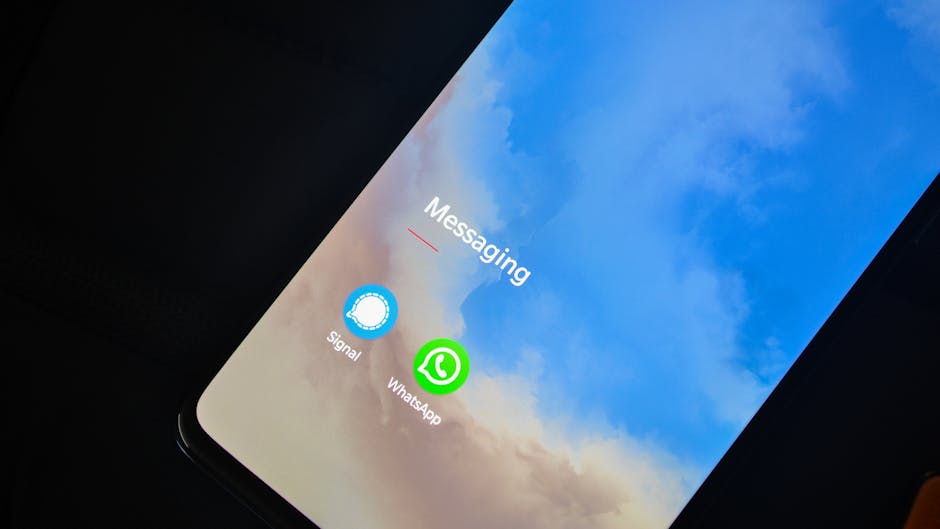
- Signal for sensitive conversations (it’s free and works like texting)
- ProtonMail for email that isn’t scanned for ads
- A password manager (1Password, Bitwarden, or KeePassXC)
Layer 3: Advanced (For the Motivated)
This is for people who enjoy tinkering or have specific threat models:
- VPN for browsing (Mullvad, IVPN, or ProtonVPN)
- Tor browser for maximum anonymity
- Self-hosted cloud storage instead of Google Drive
- De-Googled phone (GrapheneOS, CalyxOS)
Most people don’t need Layer 3. But if you’re a journalist, activist, or just someone who values digital autonomy, these tools exist.
What About Password Managers?
Here’s the thing about password managers that nobody tells you: the biggest risk isn’t picking the wrong one—it’s not using one at all.
Using “password123” for everything is like using the same key for your house, car, and safety deposit box. When one gets compromised (and they will), everything gets compromised.
I don’t care if you use 1Password, Bitwarden, or even Apple’s built-in manager. Just use something. Let it generate random passwords for everything. Your memory is for important stuff, not remembering which variation of your dog’s name you used for your bank account.
“The best password manager is the one you’ll actually use. Perfect is the enemy of good, and good is the enemy of getting hacked because you reused the same password everywhere.”
The Real Privacy Question
Recently, the Tenth Circuit Court ruled that authorities can’t just grab protesters’ phones and search everything. That’s a win, but it highlights the broader issue: your digital life has more constitutional protection than your digital privacy from corporations.
The government needs a warrant to read your text messages. Google just needs you to click “Accept” on terms you’ll never read.
That’s not a bug in the system. That’s the design.
So the real question isn’t “Do you have something to hide?” The real question is “Do you want to be the product, or do you want to be the customer?”
Because right now, if you’re not paying for the service, you’re not the customer. You’re the inventory.
Start Where You Are
Look, you don’t need to become a digital ghost living off cryptocurrency and communicating only through encrypted channels. Most of us just want to text our friends, check the weather, and watch videos without having our entire lives turned into a marketing profile.
That’s reasonable. That’s achievable. And it starts with understanding that privacy isn’t about hiding—it’s about having boundaries.
Same rules for everyone, right? You wouldn’t let a stranger rifle through your wallet or follow you around taking notes. Why let corporations do it digitally?
Pick one thing from Layer 1. Try it for two weeks. When it feels normal, add another. You don’t have to solve digital privacy in a weekend. You just have to start solving it.
The question is: what are you protecting, and when do you want to start?
 Scrivener.PRO