Picture this: a farmer in Iowa, middle of harvest season, $400,000 combine sitting dead in the field. Error code on the screen. The fix is probably a fifteen-minute software reset. But the manufacturer locked the diagnostic software behind an authorized dealer wall, and the nearest dealer is three hours away and booked out a week.
The crop doesn’t wait a week. The farmer knows this. John Deere knows this too.
That’s not a bug in the system. That’s the design.
What Right to Repair Actually Means

Right to Repair is exactly what it sounds like: the legal and practical ability to fix the things you own, using the tools, parts, and information you need to do it—without asking permission from the company that sold it to you.
That sounds so obvious it shouldn’t require a movement. And yet here we are.
Manufacturers have spent two decades quietly building fences around their products. Software locks. Proprietary parts. Voided warranties. Threatened litigation under the Digital Millennium Copyright Act (DMCA) against anyone who cracks the code—literally. They’ve turned ownership into a subscription you didn’t know you signed.
“When you buy a product, you should own it. Not license it. Not rent access to its functionality. Own it. The moment a company can remotely brick your tractor or void your repair because you used a third-party part, ownership is a legal fiction.”
The movement gained real traction when states started listening. As of 2026, over two dozen states have passed or are actively advancing Right to Repair legislation. The EU went further—mandating repairability scores on electronics and requiring manufacturers to supply spare parts for years after sale. It’s not perfect, but the direction is right.
The Playbook Manufacturers Use to Keep You Dependent
Here’s the thing about control: it rarely announces itself. It shows up dressed as safety, quality assurance, and consumer protection. Let’s walk through the greatest hits.
“Unauthorized repairs void your warranty.” This one’s mostly theater now. In the US, the Magnuson-Moss Warranty Act has long said manufacturers can’t void warranties just because you used a third-party part or independent repair shop—but they kept saying it anyway, and most people believed them.
“Only certified technicians have the training.” Apple argued for years that iPhone repairs required Apple-trained specialists. Louis Rossmann—a repair shop owner in New York who’s become the patron saint of this movement—has been posting videos for over a decade showing board-level iPhone repairs that any skilled technician can learn. The “only we can do this” narrative is marketing, not engineering.
“It’s a safety issue.” Medical device manufacturers lean on this one hard. There’s a grain of truth here—some repairs genuinely do require expertise. But “requires expertise” and “requires our exclusive authorization” are two completely different claims. We certify electricians. We don’t give utility companies a monopoly on all electrical work.
Serial number pairing. This is the newest and nastiest trick. Apple started it with the iPhone 13—certain components would only function if the serial numbers matched the original device. New screen, same model, same specs? Didn’t matter. Face ID wouldn’t work unless Apple’s servers blessed the swap. You can own every physical component and still not own the thing.
Why This Is a Freedom Issue, Not Just a Consumer Issue
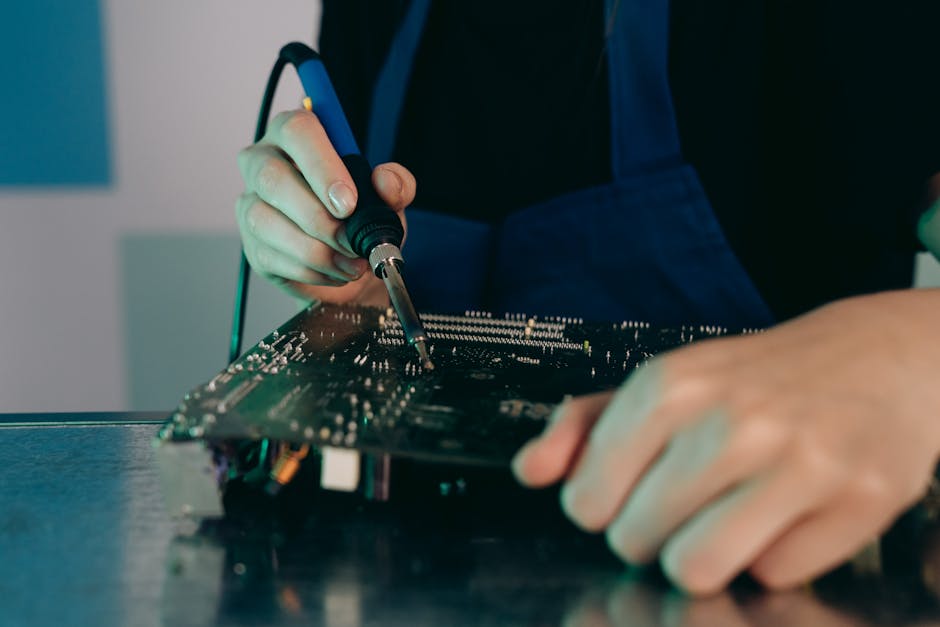
Most coverage of Right to Repair frames it as consumer protection. Save money. Reduce e-waste. Support small businesses. All true. But there’s a deeper current running through this.
When a manufacturer controls who can repair your device, they control your relationship with your own property. When that device is a medical implant, a farm, or critical infrastructure, that control is leverage. Real leverage.
We already saw where this leads. During COVID, hospitals reported that ventilator manufacturers refused to share service manuals with biomedical technicians trying to keep equipment running. People were on those machines. The “authorized service only” policy didn’t care.
Now scale that thinking to the Internet of Things world we’re building. Your car, your thermostat, your insulin pump, your tractor, your solar panels—all networked, all dependent on manufacturer goodwill to keep functioning. Who’s trying to control who here?
“Ownership without the right to repair is just a financing arrangement with extra steps. You’re paying full price for something you don’t fully control.”
The DMCA angle makes this especially sharp. Under Section 1201, circumventing digital locks—even on devices you own, even for legitimate repair—has been legally murky for years. The Electronic Frontier Foundation has fought this battle repeatedly, winning exemptions that have to be renewed every three years like a permission slip. We’re asking the government to let us fix our own stuff. Every three years. That sentence should bother you.
Where Things Stand in 2026—And What Still Needs to Happen
The tide has shifted. That’s real. But shifted isn’t the same as won.
State laws vary wildly in scope and enforcement. Some apply only to consumer electronics. Others carve out huge agricultural or medical exemptions right in the text—which is exactly where the fight matters most. Federal legislation has been introduced multiple times and keeps stalling. The EU rules are stronger but face compliance games from manufacturers who meet the letter of the law while gutting the spirit.
Apple launched its “Self Repair Program” in 2022 with much fanfare—and then priced the tools at rental costs that made it impractical for individuals, and still required serial number authorization calls to Apple servers. The optics of repair without the reality of it.
What actually needs to happen:
- Federal Right to Repair legislation with teeth—not opt-in programs, not carve-outs for every profitable category
- Permanent DMCA exemptions for repair, not a triennial permission slip process
- End to software-enforced parts pairing that survives the manufacturer’s blessing
- Mandatory parts availability for a minimum number of years after product discontinuation
- Antitrust scrutiny of authorized repair monopolies, which are textbook tying arrangements
The Real Question Nobody’s Asking
Here’s what gets lost in the legislative debate: this isn’t really about repair. It’s about what ownership means in a world where every physical object has software in it.
The companies winning the repair argument aren’t winning on merit. They’re winning because most people don’t realize what they’ve slowly agreed to. Each generation of products tightened the screws a little more, and we accepted each turn because the device was shiny and the change was incremental.
The fishing village I grew up in had one rule about the things you owned: they were yours. You fixed them, modified them, ran them into the ground, or handed them to your kid. Nobody from the manufacturer was going to fly out to rural Alaska to tell you otherwise. That wasn’t freedom by philosophy—it was just the practical reality of owning things.
We traded that reality for convenience, and we’re only now starting to feel the bill come due.
So here’s the question worth sitting with: if you can’t repair it, modify it, or fully understand what it’s doing—do you actually own it? Or are you just the most recent person to have possession of something that still, fundamentally, belongs to someone else?
The Right to Repair fight is asking you to decide what ownership means to you. The manufacturers have already decided what they want it to mean. Same rules for everyone—that’s all this ever was.
 Scrivener.PRO