There’s a guy sitting at a desk right now. He’s got three books on writing craft within arm’s reach, a Moleskine notebook with exactly four pages used, and a browser tab open to a ‘Top 10 Writing Tips’ listicle he’s already read twice this week.
He wants to be a writer. He’s just not writing.
I’ve been that guy. Most of us have. And here’s what I eventually figured out: the problem was never a lack of advice. The problem was I was treating writing like a credential to earn instead of a skill to practice under pressure.
Writing Is a Trade, Not an Art Degree
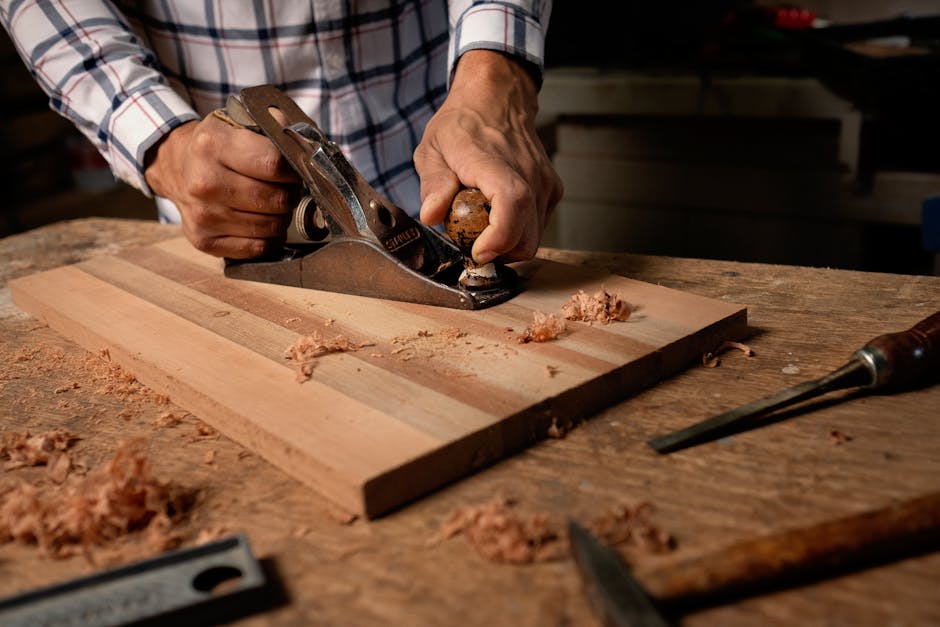
Every skilled trade has an apprenticeship model. You don’t become a good electrician by reading about electricity. You pull wire, make mistakes, get corrected by someone who’s been doing it for twenty years, and pull more wire.
Writing works the same way—except most people skip the apprenticeship entirely and wonder why they’re not journeyman-level after six months of journaling.
“An apprentice carpenter measures twice and cuts once. An apprentice writer publishes once and edits never. Guess which one gets better faster.”
The writers who actually improve are the ones treating each piece like a job site. They show up, they build something, they look at what’s crooked, and they fix it. Not because they feel inspired. Because it’s Tuesday and the work doesn’t care about your mood.
The Feedback Loop Most Writers Are Missing
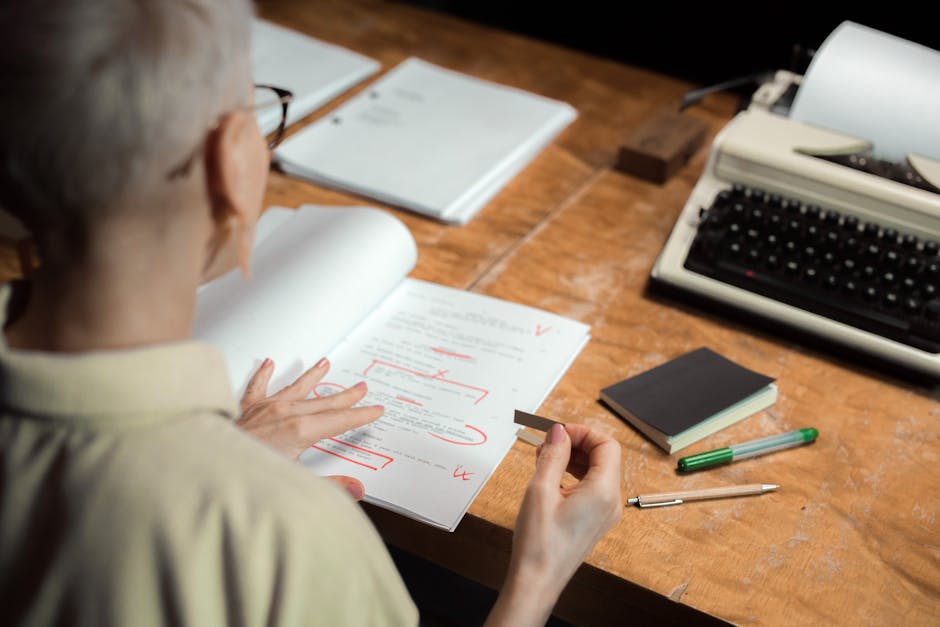
Here’s where most writing advice falls apart: it tells you to write more, but not how to learn from what you’ve written.
In commercial fishing, nature gives you immediate feedback. Set your net wrong, you come home empty. There’s no ambiguity. Writing doesn’t work like that—which means you have to build the feedback loop yourself.
The fastest path to better writing isn’t more writing. It’s more read writing. Specifically, writing that’s been through real editing and real readers. Study it like you’re trying to figure out how a boat engine works, not like you’re appreciating a sunset.
- Read your work out loud. Your ear catches what your eye misses. Every time. If you stumble reading it, your reader will stumble too.
- Find one reader who will actually be honest with you. Not a friend who says ‘this is great!’ A reader who says ‘I stopped caring about the character here, and here’s why.’
- Study sentences you wish you’d written. Don’t just admire them. Take them apart. Count the words. Notice where the verb lands. Figure out the mechanism.
- Compare your first draft to your third draft. If they look the same, you’re not editing—you’re proofreading. Those are different jobs.
The writers improving fastest in 2026 aren’t necessarily writing more than everyone else. They’re running better feedback loops. They’re getting real signal, not just volume.
Voice Isn’t Found—It’s Built Under Pressure
‘Find your voice’ is advice that sounds profound and means almost nothing until you’ve already done it. It’s like telling a kid learning guitar to ‘find your sound.’ Sure. Play ten thousand hours first, then we’ll talk about sound.
Voice is what’s left over after you’ve written enough to stop imitating everyone you’ve ever read and start trusting your own instincts. It cannot be hurried. It can only be built.
“Voice is not a style you choose. It’s a residue that accumulates from everything you’ve read, everything you’ve lived, and how honest you’re willing to be on the page.”
The shortcut—and it’s not really a shortcut, just the right path—is to write about things that actually matter to you. Not things you think you should care about. The stuff that keeps you up at 2 AM. The question you can’t stop turning over. The moment you haven’t told anyone about yet.
Specific, honest writing is always more interesting than polished, safe writing. Every time. The craft matters, but nobody reads technically perfect prose that has nothing to say.
The Gear That’s Actually Holding You Back

Real talk: the tools are not the problem.
I’ve watched people spend more time optimizing their writing environment than actually writing in it. New notebooks. The right app. Scrivener vs. Obsidian vs. a plain text file. The perfect morning routine. The ideal word count tracker.
That’s not preparation. That’s avoidance with good branding.
The best setup is the one you actually use consistently. That’s it. That’s the whole framework. A Notes app on your phone beats a gorgeous leather journal that lives in your desk drawer unopened.
- Write where you are. Waiting for the right conditions is waiting to not write.
- Batch your tools research. One hour a month maximum. Then close the tab and open a document.
- Publish something imperfect. The fear of being wrong or mediocre is what the tools obsession is actually protecting you from. Ship the thing.
The Real Question You Should Be Asking
Most people ask: How do I become a better writer?
The better question is: Better at writing what, for whom, and why?
A fishing boat optimized to catch salmon is a bad crab boat. Being a ‘better writer’ without specificity is like sharpening a knife without knowing what you’re cutting. You can get extremely sharp at the wrong angle.
Decide what you’re writing. Fiction? Technical documentation? Essays? Sales copy? Personal essays about living in a world that increasingly makes no sense? Each has different mechanics, different readers, different feedback loops. The general advice only gets you so far before you need to go deep on your specific form.
Once you know the form, study the masters of that form specifically. Not just ‘great writers’ in the abstract. The people doing exactly what you want to do, doing it better than you can yet.
Then write. Show up. Submit to the feedback loop. Do it again.
Here’s what nobody tells you at the beginning: at some point, if you do this long enough, you stop wondering if you’re a writer and you just are one. Not because someone gave you permission. Because you built it, one word at a time, the same way anyone builds anything that lasts.
The real question is—are you building, or are you still reading listicles about building?
 Scrivener.PRO