
You’re standing in a grocery store in 2026, and something feels off. You’re buying the same stuff you always buy. Same brands, same quantities. But the total at the register is noticeably higher than it was a few years ago. You didn’t get a raise. The eggs didn’t get better. So what changed?
Here’s what they don’t teach you in school: inflation isn’t like the weather. It doesn’t just happen. It’s made. Deliberately. By people with titles and podiums who understand exactly what they’re doing—and are counting on you not to.
What Inflation Actually Is (Not the Textbook Version)

The official definition they’ll give you is something like “a general increase in prices over time.” That’s like defining a mugging as “an involuntary transfer of personal assets.” Technically accurate. Completely misleading.
Here’s the real mechanic: when more dollars exist chasing the same amount of goods, each dollar buys less. That’s it. That’s the whole trick. More money, same stuff, higher prices.
So who creates more dollars? The Federal Reserve, in coordination with the Treasury, expands the money supply—through bond purchases, low interest rates, and in recent years, direct injection into the financial system. Every new dollar printed quietly steals a tiny fraction of value from every dollar you already hold.
“Inflation is taxation without legislation.” — Milton Friedman
You didn’t vote on it. You didn’t get a bill in the mail. Your bank account balance didn’t change. But your purchasing power did—and it went down.
The Quiet Mechanism: How Your Savings Get Picked Clean
Let’s say you’re disciplined. You save money. You put it in a savings account earning 1.5% interest. You feel responsible. Meanwhile, real inflation is running at 5-6% annually—which, depending on who’s counting and how they’re measuring, has been closer to the truth for most Americans than the official CPI numbers suggest.
What actually happened to your savings? You lost roughly 4% of purchasing power. Every year. While doing everything right.
This is the part that should make you furious. Not at your bank—they’re playing by the rules too. At the system that set those rules. The people who created an environment where being financially responsible and keeping dollars in a savings account is effectively a slow bleed.
And who benefits from all this newly created money? The people who get it first. Banks. Government contractors. Large corporations with access to cheap credit. By the time the new money filters down to wages—if it ever does—prices have already adjusted upward. The working class pays the inflation tax twice: once through higher prices, once through stagnant wages.
The economists have a name for this: the Cantillon Effect. The closer you are to the money printer, the more you benefit. The further away, the more you pay.
Why the Official Numbers Don’t Feel Real
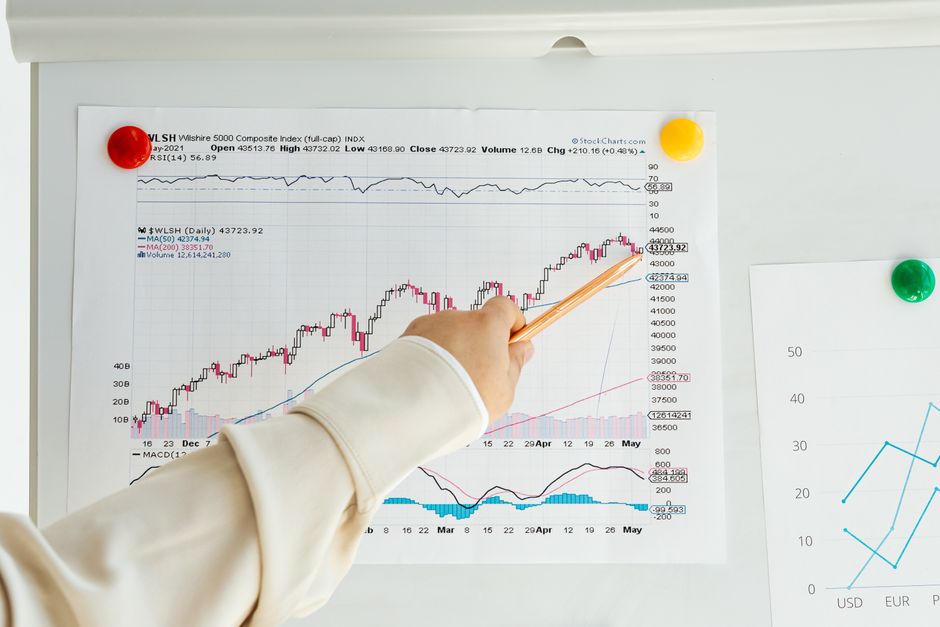
The Consumer Price Index—the CPI—is how the government officially measures inflation. And here’s the thing about the CPI: it’s been adjusted, recalculated, and methodologically revised multiple times since the 1980s. Each revision, coincidentally, made inflation look smaller.
They introduced something called “hedonic adjustments.” The idea is that if a product improves in quality, that improvement offsets the price increase. Your new laptop is more powerful than last year’s, so even if it costs more, the government counts it as cheaper in real terms. On paper, genius. In your wallet, insulting.
They also use something called “substitution.” If steak gets too expensive and you start buying chicken instead, the index substitutes chicken in. You’ve effectively been downgraded in diet, but inflation looks tamed. It measures how poor people adapt to inflation—not inflation itself.
This isn’t conspiracy theory territory. These are documented methodological changes. The real question isn’t whether the measurements changed—they did—it’s whether the changes made the measurements more honest. Spoiler: they didn’t.
What You Can Actually Do About It
Now, here’s where most articles pat you on the head and say “diversify your portfolio” like that solves anything for someone living paycheck to paycheck. I’m not going to do that. Let’s be honest about what actually moves the needle.
First: understand the game you’re in. The financial system rewards asset holders over cash holders. If you hold dollars, you lose to inflation. If you hold things—productive assets, real estate, equity in businesses, scarce commodities—you have a fighting chance.
- Hard assets beat soft currency. Real estate, commodities, and equity in real businesses historically hold value better than savings accounts during inflationary periods.
- Debt denominated in inflating currency can be strategic. This sounds backwards, but if you owe $200,000 on a fixed mortgage and inflation runs hot for five years, you’re paying that debt back with cheaper dollars. Banks know this. Now you do too.
- Bitcoin and sound money alternatives exist. Bitcoin has a fixed supply cap. Twenty-one million, ever. No committee can vote to print more. Whether it belongs in your portfolio is a personal decision—but understanding why it exists is non-optional financial literacy in 2026.
- Increase your productive capacity. The best inflation hedge has always been skills that command higher income. A person with in-demand expertise can reprice their labor. A savings account cannot.
- Reduce dependency on inflating inputs. Grow some food. Reduce subscriptions. Own rather than rent where it makes sense. Every dollar you don’t have to spend is a dollar inflation can’t steal.
Second: stop waiting for permission to understand this. Economics gets mystified on purpose. The jargon, the models, the credentialed priests of monetary policy—it’s designed to make you feel unqualified to have an opinion. You’re not. You experience the economy every day. Your grocery receipt is data. Trust it.
The Uncomfortable Conclusion

Inflation isn’t an unfortunate side effect of a well-meaning system. It’s a feature. It funds government spending without raising taxes explicitly. It transfers wealth from savers to borrowers—and the biggest borrower on the planet is the U.S. government. It erodes the real value of debt. It happens quietly, invisibly, without a vote or a bill or a signature you ever see.
The Roman Empire debased their coins—shaving silver, adding base metals—until the currency was worthless. Every empire that’s gone down this road thought they were the exception. None were.
You’re not powerless here. But you can’t fight what you don’t understand. The first step is calling it what it is: a tax. An invisible one, levied without your consent, paid by everyone who holds dollars and works for wages.
Once you see that clearly, you start asking better questions. Not “how do I keep up with inflation?” but “who benefits when I don’t?”
Those two questions lead to very different places. Which one you’re willing to sit with says everything.
 Scrivener.PRO
Leave a comment